
6 August 2026
Why Some Instruments Make Learning Harder (And How to Avoid Them)
When a child starts learning an instrument, a certain amount of squeaking, missed notes and frustration is completely normal. What isn't normal is when those problems are caused by the instrument itself.
Unfortunately, this happens far more often than most parents realise — and because the causes are usually hidden, it's easy to assume the child is struggling when the real issue is sitting in their hands.
The good news: these problems are common, they're well understood, and they're almost always fixable.
Woodwind Instruments: The Hidden Problem You Can't See
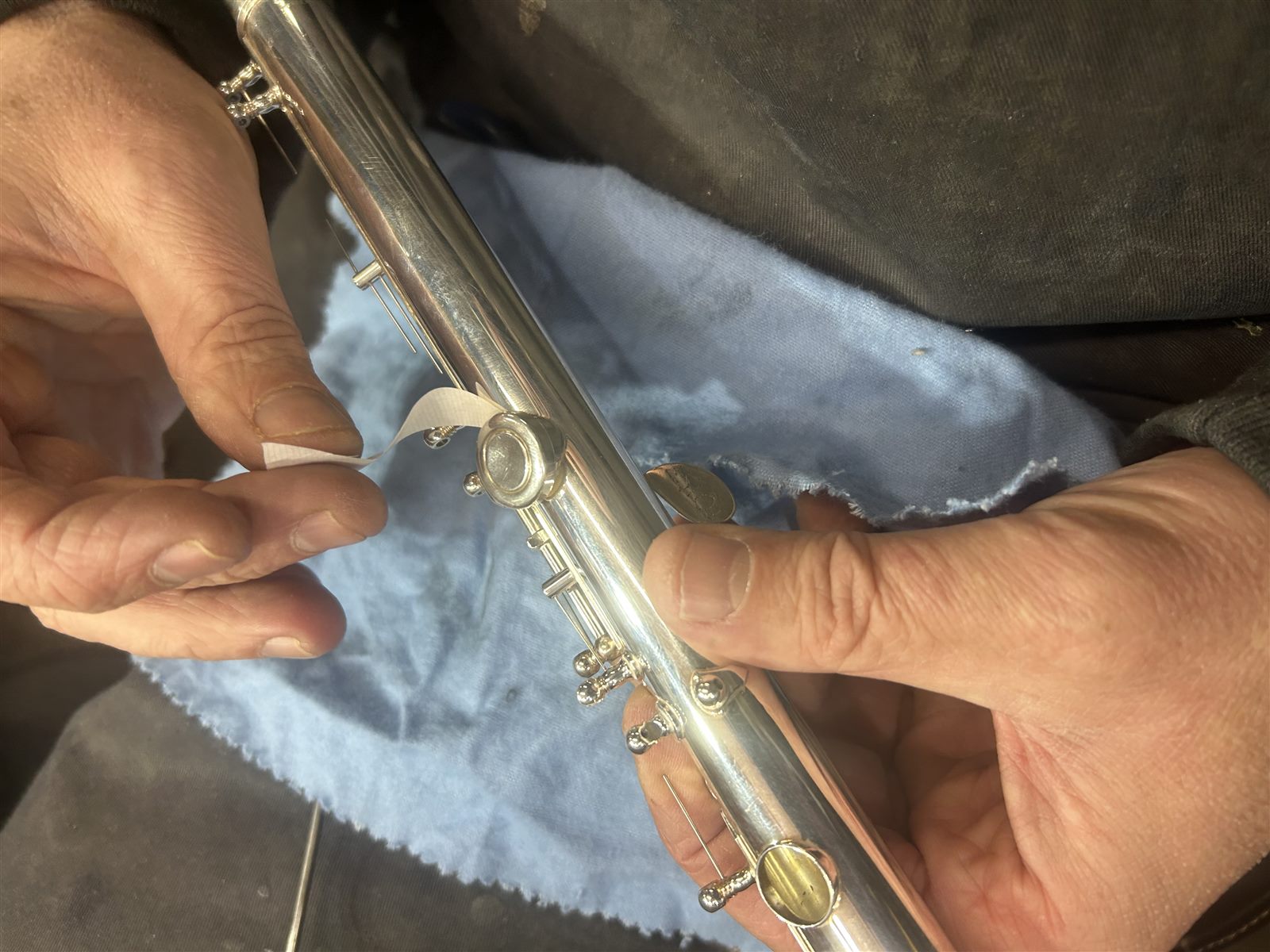
Instruments like clarinets, flutes, oboes and saxophones rely on a series of pads to seal each note. If those pads aren't sealing properly, air escapes every time a student tries to play.
The result?
- Notes that won't speak properly
- Constant squeaking
- Having to blow much harder than should ever be necessary
For a beginner, this is incredibly discouraging — and it's exactly the kind of thing that makes a child wonder whether they're simply "no good" at their instrument.
The tricky part is that these problems are often invisible. Even brand-new instruments can have tiny leaks, and older instruments that haven't been regularly serviced are far more likely to develop them over time.
The only reliable way to detect a leak is through professional testing, where a repairer uses specialised equipment to check the sealing of every pad and adjust or replace them as needed. It's quick to do — but almost impossible to spot by eye.
Small Mechanical Issues, Big Learning Impact
Woodwind instruments have complex key systems. Even a slight bend in a key or a tiny misalignment can stop a pad from closing properly.
These issues are rarely obvious to the eye — but they can make an enormous difference to how the instrument plays.
To a student, it simply feels like:
"I'm doing everything right… but it still doesn't work."
That feeling is worth taking seriously. More often than not, it isn't the child getting it wrong — it's the instrument fighting back.
Brass Instruments: When Valves Fight Back
With trumpets and other brass instruments, the most common culprit is sticking valves.
All valves need regular cleaning and oiling, but poorly maintained instruments often develop persistent sticking. In some cases they need professional work — such as valve lapping — to move freely again.
For a student, a sticking valve interrupts playing, breaks concentration, and quickly turns practice into frustration. A child who has to stop every few bars to free a stuck valve never gets the chance to build momentum.
The Bottom Line
A child's first experience with music should feel achievable.
If an instrument isn't working properly, it doesn't just slow progress — it can make a student feel like they're the problem. In reality, the instrument usually is. And once it's put right, the difference is often immediate: notes speak, valves move, and practice starts to feel rewarding instead of defeating.
That's exactly why it matters to start with an instrument that has been properly checked, serviced and set up for learning — not just something that looks fine on the outside.
It's also why every instrument we hire out is fully tested and serviced before it reaches a student, so parents don't have to wonder whether a hidden fault is holding their child back. If your child is already learning on an instrument and something doesn't feel right, it's always worth having it checked — a small adjustment can make all the difference to how they play, and how they feel about playing.
Looking to hire?
Quality Yamaha instruments, fully serviced and ready to play. No lock-in contract.
Browse instruments →