
1 June 2025
Renting vs Buying Your First Instrument: Which Makes Sense?
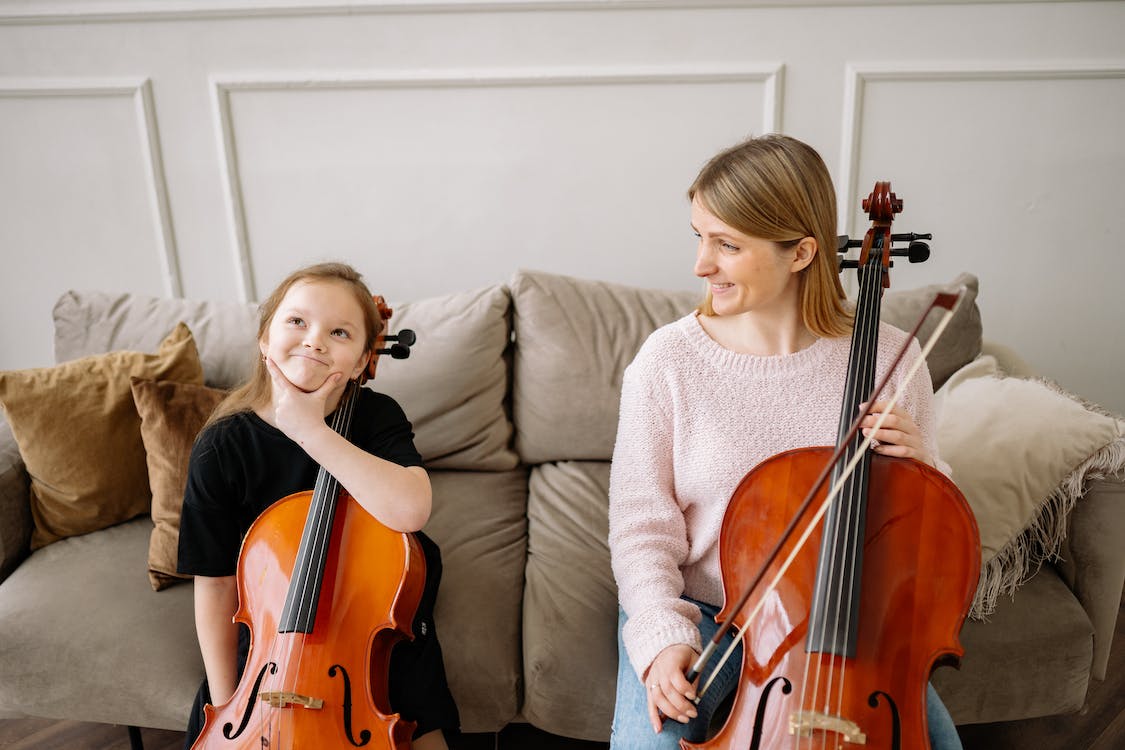
The question comes up at every school orientation night: should we rent first, or just buy one and be done with it?
The honest answer is that it depends — but for most beginners, renting is the smarter move, at least to start. Here's why.
The case for renting first
You don't know yet if they'll stick with it
This is the big one. At the start of Year 4 band, every child is excited. Six months in, the picture looks different. Some love it and keep going; others have moved on to football or drama club. Renting means you haven't committed several hundred — sometimes over a thousand — dollars to an instrument that ends up in the back of a cupboard.
The instrument is maintained for you
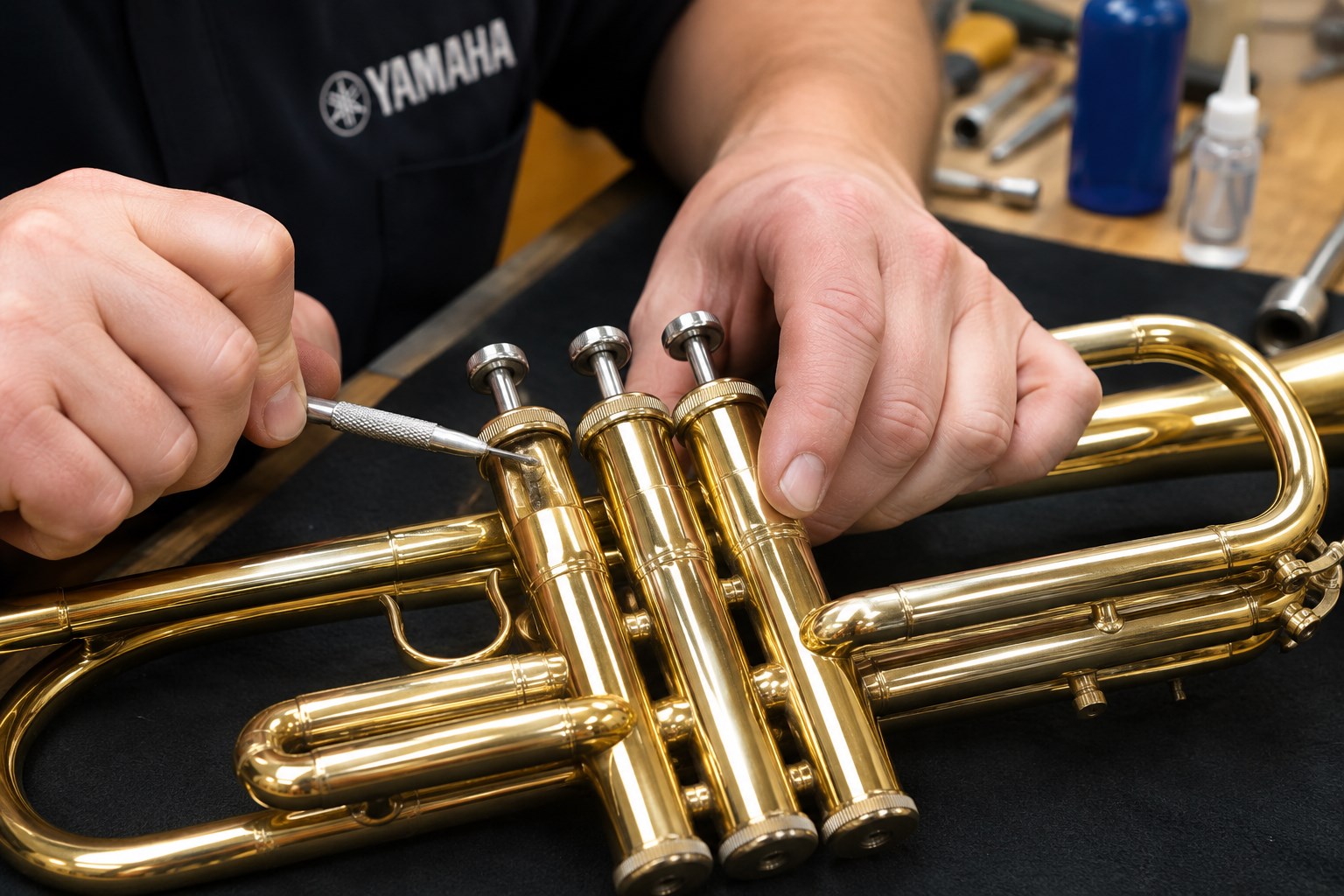
When you rent from a reputable hire company, the instrument has been serviced before it reaches you — valves freed and oiled, pads and corks checked, play-tested so it works properly. With a second-hand instrument bought privately, you're taking a gamble. A stiff valve or a leaking pad makes learning significantly harder and can take months off a student's progress, and repair bills add up quickly.
You can swap sizes as they grow
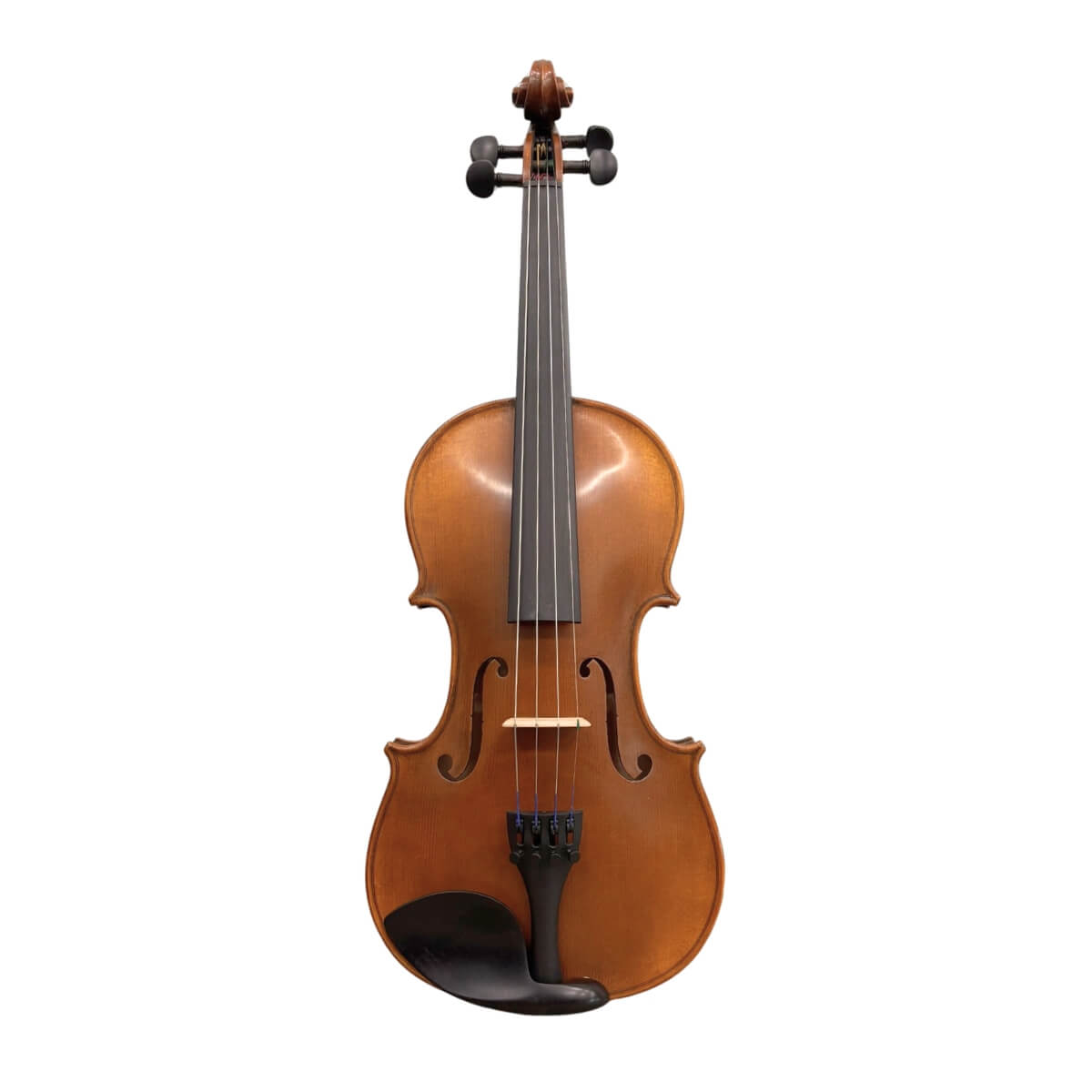
String players — violin, viola, cello — outgrow their instruments quickly. A 1/4 violinist might move to a 1/2 within a year. Buying at each stage is expensive and wasteful. With a rental, size swaps are typically free or minimal: you just bring it back and take the next one.
Your commitment to begin with is low
Most hire arrangements require just a few months upfront with no lock-in contract after that. If you decide to stop after month four, you return it and that's that. The financial risk is a fraction of buying.
The case for buying
Buying makes sense once you know the student is committed and has reached — or is close to — full size. At that point, owning is almost always cheaper over the long term, and there's something meaningful about having an instrument that's genuinely yours.
When buying new makes sense
If the student has been playing for a year or two and it's clearly their thing, a quality new instrument — a Yamaha student or intermediate model — is a sound investment. You buy it once. You don't pay monthly. And unlike a second-hand instrument, a new instrument from a reputable dealer comes fully ready to play and backed by a warranty.
The rent-to-own trap
Be cautious of "rent-to-own" arrangements where monthly payments contribute toward buying the hire instrument. These usually cost more in total than simply renting for a while and then buying new separately — and you end up owning a used instrument at new-instrument prices. At Music Rentals, we don't offer rent-to-own for exactly this reason. We hire at a fair price, and when you're ready to buy a brand-new instrument, buying through us means competitive pricing, an instrument set up and checked by our own workshop, and ongoing local support. And for customers who've been hiring with us for 12 months or more, we credit their most recent month's hire toward the purchase, plus 20% off books and accessories — our way of saying thanks for sticking with us.
What most families do
In practice, the most common and sensible path looks like this:
- Rent for the first year — low commitment, properly serviced instrument, manageable cost
- Reassess at 12 months — is this still happening? (If you've been hiring with us, you also unlock our customer benefit at this point — a hire credit plus 20% off books and accessories when you buy new through us.)
- If yes, keep renting or buy new — either makes sense at this stage
Very few families regret starting with a rental. Quite a few regret buying immediately and then having the student lose interest.
A note on cheap beginner instruments
One thing worth avoiding: the very cheap instruments sold online or at toy stores. A $59 "trumpet" or $89 "violin" might look like a deal, but they're often so poorly made that they're genuinely difficult to play — intonation problems, stiff valves, cheap strings that can't hold tune. This makes learning harder and more frustrating than it needs to be.
A quality hire instrument from a specialist — even a well-maintained preloved one — will play immeasurably better than a cheap new one.
Ready to hire?
We stock quality Yamaha brass and woodwind and professionally set-up strings, fully serviced in our Perth workshop before every hire. No lock-in contract after the first three months — and if you decide to buy new down the track, we're here for that too.
Looking to hire?
Quality Yamaha instruments, fully serviced and ready to play. No lock-in contract.
Browse instruments →