
5 August 2026
Why Cheap String Instruments Can Hold Students Back
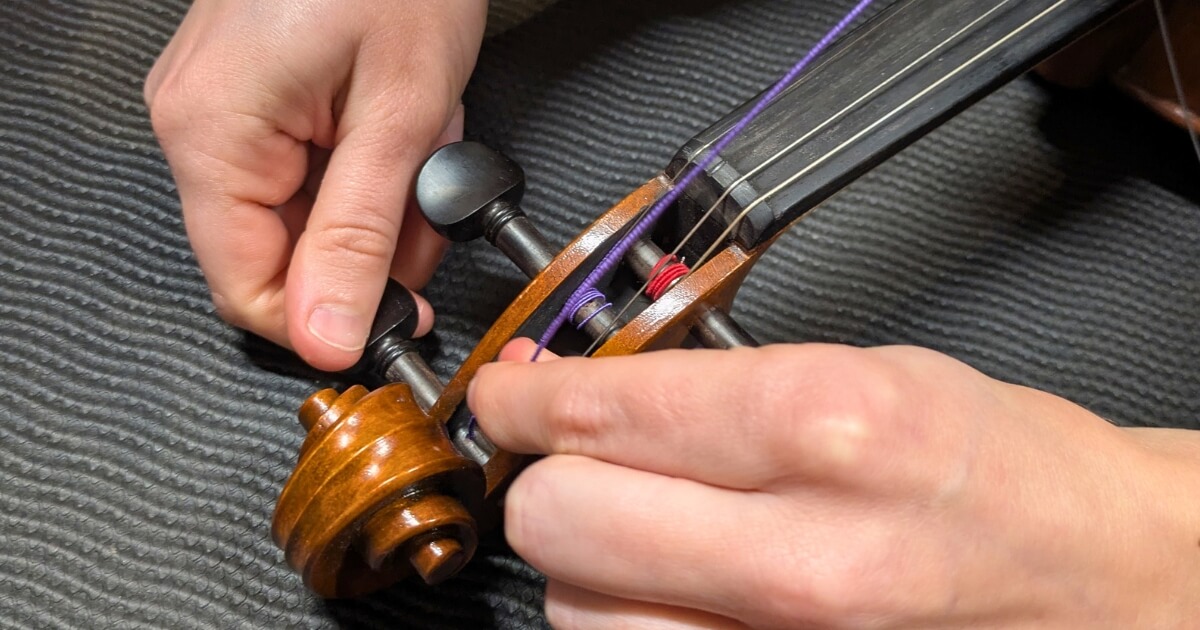
It's tempting to buy an inexpensive violin or cello when a child is just starting out. On the surface, many of these instruments look perfectly acceptable.
The reality is often very different — and it's usually not the price tag itself that's the problem, but what a low price tends to leave out.
The Importance of Quality Materials
String instruments rely heavily on the quality of their tonewoods, typically spruce and maple.
If these materials are poor, the instrument simply won't resonate properly. The result is a thin, unresponsive sound that makes it much harder for a student to develop tone and confidence — they work hard and still don't hear the reward.
Setup Matters More Than You Think
Here's the part most parents never hear: even more important than the instrument itself is how it has been set up.
We regularly see instruments arrive with:
- Poorly fitted bridges
- Cheap factory strings
- Low-quality pegs that won't hold tuning
- Plastic components that dampen the sound
These aren't minor cosmetic issues — they directly affect how easy the instrument is to play. And this is the encouraging part: a modest instrument that has been properly set up can play beautifully, while an expensive one that hasn't can still fight the student every step of the way. Price helps, but setup is what a beginner actually feels under their fingers.
The Bow: Often Overlooked, Always Important
A good bow is essential, and it's the piece parents most often forget.
A warped or poorly balanced bow changes how a student holds and controls it. Over time, this can quietly build bad habits that are difficult to correct later.
Even at beginner level, a straight bow with proper horsehair is the minimum standard needed for comfortable playing.
Why This Matters for Beginners
When a string instrument is set up correctly, it responds easily and produces a clear sound.
When it isn't, students often experience:
- Buzzing or humming sounds
- Difficulty controlling notes
- Extra physical effort just to produce a note
These challenges lead quickly to frustration — and in some cases, to a child giving up altogether, convinced the difficulty is theirs. Very often, it isn't.
A Better Starting Point
A properly prepared instrument doesn't just sound better — it makes learning feel possible. And in those early stages, that makes all the difference.
The good news is that none of this requires spending a fortune. What it requires is an instrument that has been checked and set up by someone who knows what a beginner needs — the bridge fitted, the strings and pegs sorted, the bow up to standard.
That's the reason every string instrument we hire out is properly set up before it reaches a student, so parents don't have to gamble on what's hidden beneath a reasonable-looking surface. And if your child is already learning on an instrument that seems harder to play than it should be, it's well worth having it looked at — often a proper setup transforms how it feels to play.
Looking to hire?
Quality Yamaha instruments, fully serviced and ready to play. No lock-in contract.
Browse instruments →